
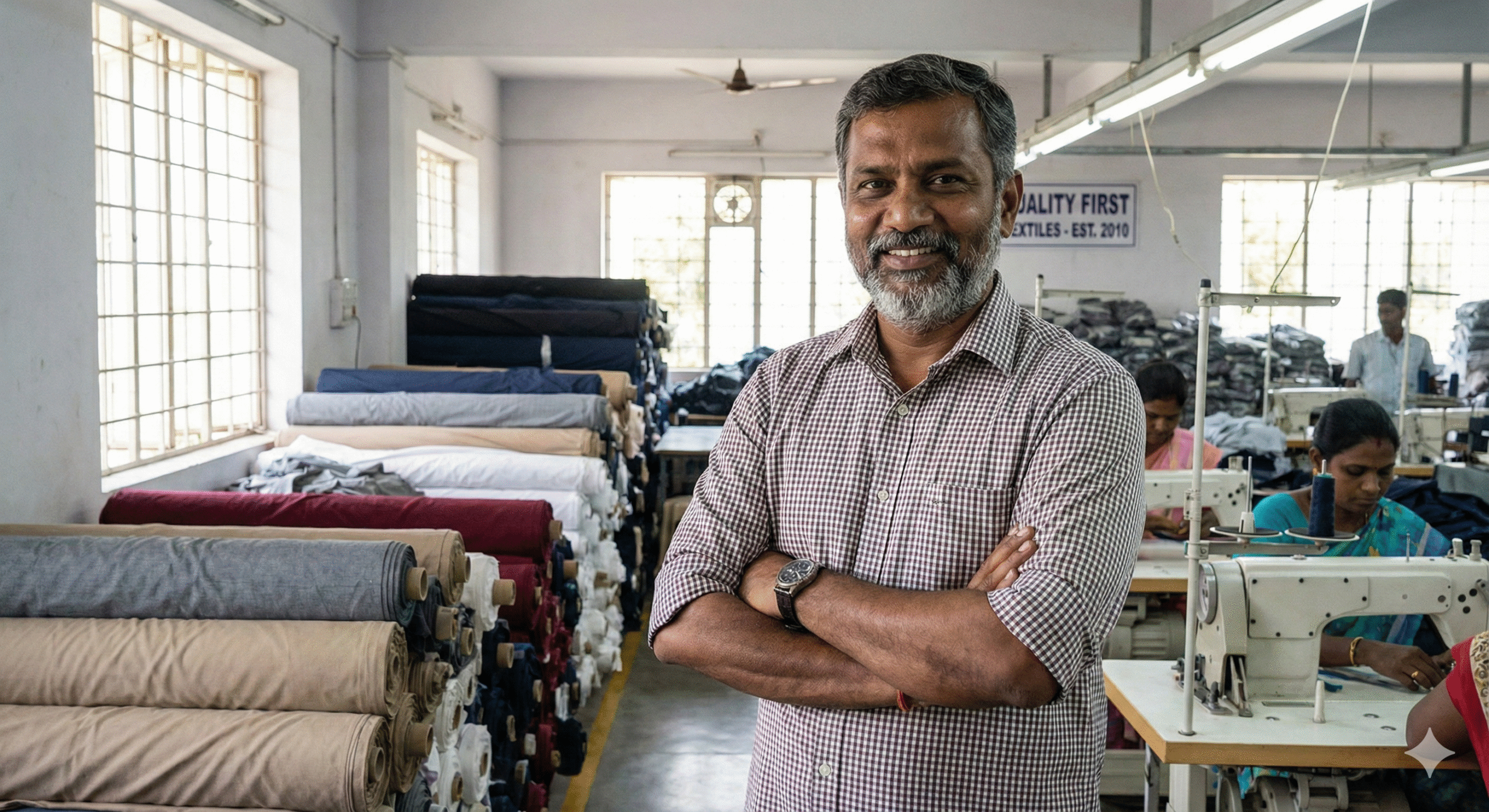
For decades, business borrowing in India followed one unbreakable rule:
No collateral, no loan.
Factories were mortgaged. Homes were pledged. Family assets became bargaining chips for working capital. For many small and medium enterprises (SMEs), access to credit depended less on business performance and more on what could be offered as security.
That equation is now changing.
Across India — especially in fast-growing SME hubs like Tamil Nadu, Karnataka, Telangana, and Maharashtra — businesses are increasingly shifting toward collateral-free lending. This shift is not accidental. It is driven by structural changes in the economy, digital data availability, and a new understanding of how businesses actually operate.
This blog explores why collateral-free lending is rising, what it means for SMEs, and why many businesses now prefer flexibility over asset-backed borrowing.
1. Why Traditional Collateral-Based Lending No Longer Fits Modern SMEs
Collateral-based lending was designed for an older economic model — one where businesses were asset-heavy and growth was slow and predictable.
Today’s SMEs operate very differently.
Modern SME realities
Faster business cycles
Seasonal demand spikes
High receivables and credit sales
Rapid inventory turnover
Opportunity-based expansion
Service-led and trade-led businesses with limited physical assets
For such businesses, pledging land or property for short-term needs creates long-term risk.
Common challenges SMEs face with collateral-based loans include:
Long approval timelines
Complex valuation processes
Legal and documentation delays
Personal asset exposure
Stress during repayment cycles
As business speed increased, the cost of slow money became higher than the cost of borrowing itself.
2. What Is Collateral-Free Lending?
Collateral-free lending refers to business loans issued without requiring physical assets such as property, land, machinery, or gold as security.
Instead, lenders evaluate:
Cash flow patterns
Banking behaviour
GST data
Business continuity
Repayment capacity
Transaction history
The focus shifts from what the business owns to how the business operates.
This approach is especially effective for:
Traders and distributors
Service businesses
Retailers
Logistics operators
Manufacturers with high working capital needs
3. Why SMEs Are Actively Switching to Collateral-Free Loans
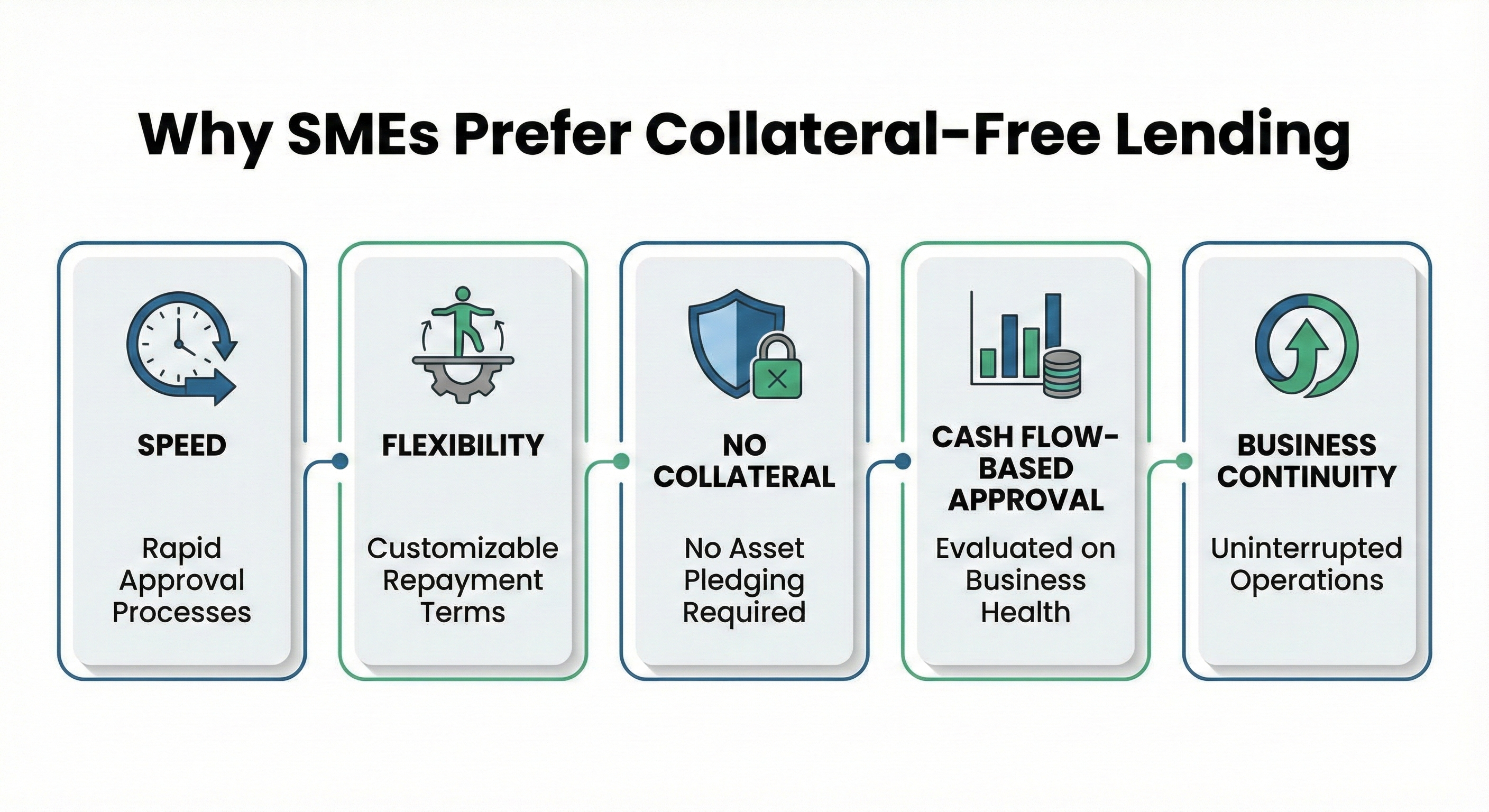
The rise of collateral-free lending is not a trend — it is a response to real business pain points.
A) Speed Matters More Than Ever
Opportunities today are time-sensitive:
Bulk orders
Seasonal demand
Vendor discounts
Expansion windows
Collateral-free loans significantly reduce approval and disbursal time, allowing businesses to act when it matters.
B) Lower Personal Risk
Pledging family property or personal assets increases emotional and financial pressure.
SMEs increasingly prefer:
Business risk to remain within the business
Personal assets to stay protected
Financial decisions without family stress
Collateral-free lending supports this separation.
C) Better Alignment With Cash Flow Cycles
Most SMEs do not need money for years — they need it for weeks or months.
Collateral-free loans are often:
Short-term
Flexible
Designed around receivable cycles
Easier to close and renew
This aligns better with how SMEs actually earn and spend.
D) Changing Nature of Assets
Many modern businesses are asset-light:
Digital-first enterprises
Service providers
Distribution models
Contract manufacturing
These businesses may be profitable but lack traditional collateral. Collateral-free lending recognises performance over possession.
4. Technology Has Changed How Credit Is Assessed
One of the biggest drivers of collateral-free lending is data availability.
Today, lenders can assess risk using:
Bank statement analysis
GST filing consistency
Transaction patterns
Invoicing behaviour
Payment discipline
This allows lenders to:
Price risk accurately
Approve faster
Reduce dependency on assets
Support deserving businesses
As data improves, trust shifts from property documents to financial behaviour.
5. Who Benefits the Most From Collateral-Free Lending?
Collateral-free finance has opened doors for many segments that were previously underserved.
Key beneficiaries include:
SME traders and wholesalers
FMCG and pharma distributors
Textile and garment merchants
Logistics and transport operators
Retail chains and franchise owners
Service-based enterprises
These businesses often face cash-flow gaps, not profitability issues — making collateral-free funding ideal.
6. Common Misconceptions About Collateral-Free Loans
Despite its growth, some misconceptions remain.
“Collateral-free loans are unsafe”
In reality, they are structured based on cash flow viability. Responsible lending still involves strict evaluation.
“Interest is always very high”
While rates may be higher than long-term secured loans, the real cost is often lower when:
Time saved is factored in
Opportunities captured are considered
Flexibility is valued
“Only small ticket sizes are possible”
Many lenders now offer substantial limits depending on business strength and transaction history.
7. When Collateral-Free Lending Makes the Most Sense
Collateral-free loans work best when used strategically.
Ideal use cases include:
Inventory stocking
Seasonal demand funding
Receivable cycle bridging
Vendor payments
Short-term expansion
Opportunity-driven growth
They are not meant for long-term asset creation — but for keeping business momentum strong.
8. The Role of Alternate Finance in This Shift
Traditional banks still play a vital role in business finance. However, alternate finance providers are filling critical gaps by offering:
Faster approvals
Flexible structuring
Short-term products
Business-cycle-aligned funding
This complementary ecosystem gives SMEs more control and choice.
9. Where Sunrays Finance Fits Into This Evolution
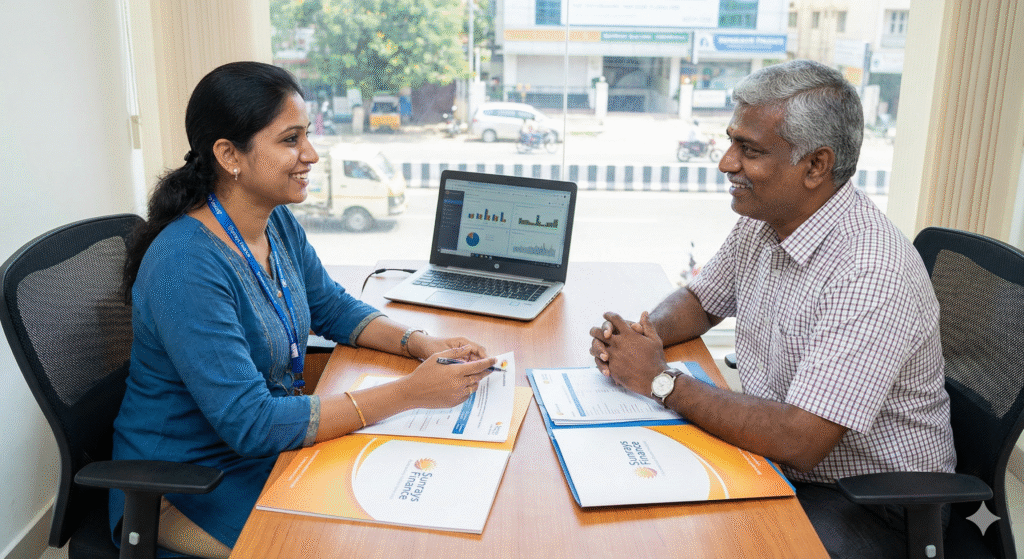
Sunrays Finance focuses on collateral-free, short-term business funding designed for real SME needs.
The emphasis is on:
Speed
Practical eligibility assessment
Cash flow–based evaluation
Opportunity financing
Transparent processes
By understanding business rhythm rather than asset value, Sunrays supports SMEs during moments that define growth.
Final Thought
Collateral-free lending reflects a deeper shift in India’s business landscape — one where performance matters more than property.
As SMEs continue to evolve, flexible and fast access to capital will remain a competitive advantage. Businesses that understand how to use collateral-free finance strategically will not only reduce risk but also move faster in an increasingly dynamic market.
The future of SME finance is not asset-heavy.
It is data-driven, agile, and aligned with how businesses actually work.


